
Buying a used car
What Does a Pre Purchase Car Inspection Include?
· 7 min read
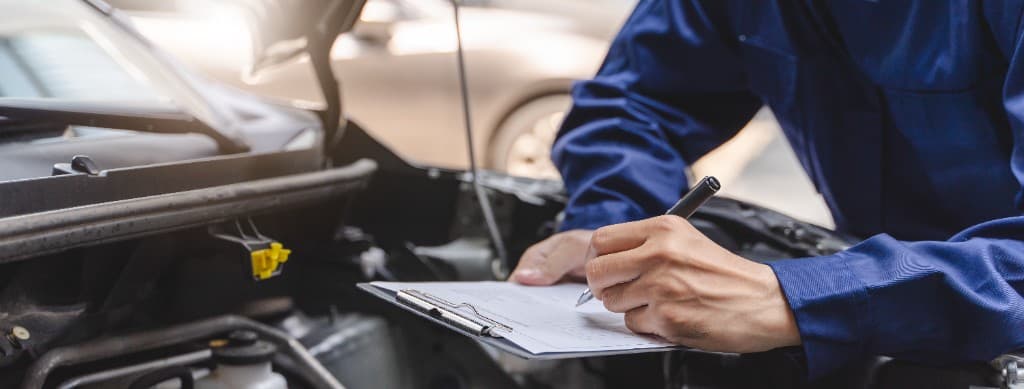
A pre purchase car inspection is an independent check of a used car's condition before you buy it. It covers the engine bay, underbody, tyres, brakes, suspension, body, interior and electrics, and where it's safe to do so, a road test. With PreBuyCheck, a qualified mechanic comes to the car wherever it's being sold in Melbourne, and you get a detailed photo report with condition and star ratings. You can compare our Essential, Complete and Premium inspections to choose the level of detail you want.
This guide explains what's usually checked, what an inspection can't tell you, and how to use the report when you're deciding whether to buy.
Key takeaways
- A pre purchase inspection looks at the car's overall condition, not just whether it's safe enough to register.
- The mechanic checks the engine bay, underbody, tyres, brakes, steering and suspension, body, interior and electrical features, and road tests the car where possible.
- You get a photo report with condition and star ratings, so you can see the issues for yourself.
- An inspection is a visual and functional check. It can't promise to find every fault, especially intermittent or hidden internal problems.
- You don't need to be there. We arrange the time with the seller and send you the report.
What a pre purchase inspection is (and isn't)
A pre purchase inspection is a condition report. It's different from a Victorian roadworthy certificate, which is a safety check needed for registration and transfer. A car can have a current roadworthy and still need tyres, have an oil leak or show signs of past repairs. If you'd like the full comparison, read our guide to roadworthy vs pre purchase inspections in Victoria.
Nothing is dismantled during an inspection. The mechanic looks, listens, tests the controls and drives the car where conditions allow. That covers a lot of ground, but it isn't the same as stripping down an engine or gearbox.
What's checked during the inspection
The exact items depend on the inspection level you choose and on the car itself. These are the main areas a thorough pre purchase inspection covers.
Engine bay and fluids
The mechanic looks for oil, coolant and other fluid leaks, and checks fluid levels and condition, hoses, belts, the battery and any signs of overheating. They also listen to the engine at start-up and while it idles. Rough running, unusual noises, warning lights or smoke from the exhaust can all point to problems that deserve a closer look before you agree on a price.
Transmission and driveline
Whether the car is automatic or manual, the mechanic checks how it shifts and drives. Delayed or harsh gear changes, clutch slip, vibrations and noises from the driveline are noted in the report.
Underbody, steering and suspension
From underneath, the mechanic checks for leaks, corrosion, damage, worn suspension parts and steering components, and the condition of the exhaust. Underbody damage is easy to miss when you're looking at a car in a driveway, and it can be expensive to fix.
Brakes, wheels and tyres
The brakes are checked for feel and performance, and the mechanic inspects the visible brake components. Each tyre is checked for tread depth, uneven wear and damage. Uneven tyre wear can be a clue to alignment or suspension problems.
Body, paint and panels
The mechanic walks around the car looking for dents, scratches, rust, mismatched colour between panels, uneven panel gaps and other signs of previous repairs. Signs of a past repair don't automatically rule a car out, but they're worth knowing about and asking the seller about.
Interior and electrical features
Inside the car, the mechanic checks the seats, seatbelts, dashboard warning lights, air-conditioning, windows, locks, lights, wipers, infotainment and other electrical features. These are the everyday things you'd notice in your first week of ownership, and some of them can be surprisingly costly to repair.
Road test
Where it's safe and legal to do so, and the seller agrees, the mechanic drives the car. A road test can reveal problems you won't find with the car standing still, such as brake pull, steering vibrations, suspension knocks or transmission issues.
Electric and plug in hybrid vehicles
Buying an EV or plug in hybrid? Our EV inspections include battery health testing on compatible models, along with the usual checks of tyres, brakes, suspension, body and interior.
What you get: the photo report
After the inspection you receive a detailed photo report with condition and star ratings for the main areas of the car. The photos let you see what the mechanic saw, which helps when you're weighing up an issue or discussing it with the seller.
A good way to read the report:
- Start with the overall picture. Look at the star ratings to see which areas are in good shape and which need attention.
- Look at the photos for each issue. Decide whether it's cosmetic, routine maintenance or something more serious.
- Get repair quotes for significant items. This gives you facts to bring to a price discussion.
- Decide. You might go ahead, negotiate, or walk away and keep looking.
What a pre purchase inspection can't tell you
An honest inspection has limits, and it's important to understand them before you buy:
- Intermittent faults may not appear on the day of the inspection.
- Internal engine and gearbox condition can't be fully assessed without dismantling.
- Weather, lighting and location can limit what can be seen. Rain or a tight driveway, for example, can make some checks harder.
- History and ownership aren't part of a mechanical inspection. Run a PPSR search to check for money owing or a written-off record, and ask the seller for service records.
An inspection lowers your risk and gives you better information. It doesn't replace your own checks, and it doesn't promise anything about the car's future condition.
How the inspection works with PreBuyCheck
- Choose your inspection. Pick Essential, Complete or Premium depending on how much detail you want.
- Send us the car's details. A link to the listing and the seller's contact details are usually enough.
- We arrange the time with the seller. Our qualified mechanic goes to the car, whether it's at a private seller's home or a dealership.
- Get your report. You receive the photo report with condition and star ratings, with a fast turnaround so you can make your decision.
You don't need to be at the inspection. That's especially helpful when the car is across town or you can't get time off work. See how it works for more detail.
Tips for Melbourne used car buyers
- Book before you pay a deposit. If the seller asks for one, make sure you understand whether and when you'd get it back.
- Compare the car with the listing. Check that the rego, VIN and kilometres match what's advertised.
- Ask for service history. Logbooks and receipts help back up what the inspection finds.
- Don't feel rushed. A seller who won't allow an independent inspection is a reason to be cautious.
Ready to book?
If you've found a car you like, an independent inspection is one of the simplest ways to buy with more confidence. Book a pre purchase inspection. Our mechanic goes to the car, and you get a clear photo report to help you decide.
FAQ
Do I need to be there for the inspection?
No. We arrange the time with the seller, the mechanic inspects the car, and you get the photo report. You're welcome to attend if you'd like to.
Can you inspect a car at a dealership?
Yes. Our mechanics go to the car, whether it's with a private seller or at a dealership in Melbourne.
Will the inspection find every problem?
No inspection is certain to find every fault. Intermittent issues and internal engine or gearbox wear may not show up. The inspection gives you an independent view of the car's condition on the day.
Which inspection level should I choose?
Compare the Essential, Complete and Premium inspections on our inspections page. For an EV or plug in hybrid, look at our EV inspections.