
Buying a used car
How to Check a Used Car Before Buying in Melbourne
· 8 min read
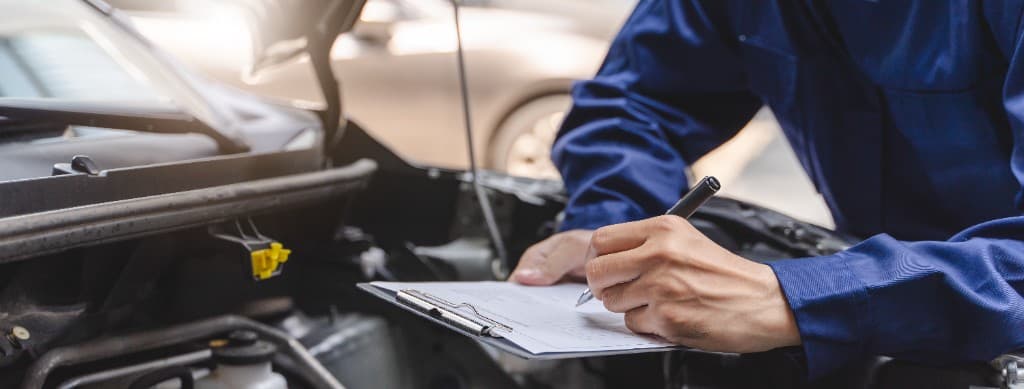
Checking a used car before you buy it comes down to three things: making sure the car is what the seller says it is, making sure there's nothing on record against it, and finding out what condition it's really in. You can do a lot of this yourself. For the parts you can't easily see, an independent pre purchase car inspection gives you a mechanic's view before you hand over any money.
This guide walks through the checks in the order most Melbourne buyers do them, from first reading the ad to deciding whether to buy.
Key takeaways
- Start with the ad and a phone call. Many problems show up in what the seller says, or won't say.
- Run a PPSR search on the VIN before you pay. It tells you if the car has a security interest registered against it, and it may show if the car is recorded as stolen or written off.
- A Victorian roadworthy is a safety check, not a condition report. Treat it as the minimum, not the whole story.
- Do your own walk-around and test drive, but know its limits. Leaks, underbody damage and early mechanical wear are hard to spot in a driveway.
- An independent inspection gives you a photo report with condition and star ratings, so you can decide with better information.
Step 1: Read the ad carefully
Before you visit, look closely at the listing.
- Photos. Are there clear photos of every side, the interior, the dashboard with the engine running and the odometer? Missing angles aren't proof of a problem, but they're worth asking about.
Step 2: Ask the seller the right questions
A short phone call saves wasted trips. Useful questions include:
- Why are you selling the car?
- How long have you owned it, and how was it mostly used?
- Is there a service history, and who did the servicing?
- Has it been in any accidents or had any major repairs?
- Is there any finance owing on it?
- Are there any warning lights on the dashboard?
- Are you happy for an independent mechanic to inspect it?
That last question matters. A seller who's comfortable with an inspection is a good sign. With PreBuyCheck, our mechanic arranges the time directly with the seller, so you don't need to coordinate it yourself.
Step 3: Check the paperwork and the VIN
Ask the seller for the Vehicle Identification Number (VIN) and check that it matches the car's registration papers and the plate on the car. Look at the service records and invoices too. Stamps in a logbook are useful, and receipts for larger repairs tell you even more about how the car has been looked after.
Step 4: Do a PPSR search
The Personal Property Securities Register (PPSR) is the government register to check before you buy, and it's especially important when you're buying from a private seller.
According to the PPSR, a car search tells you whether the vehicle has a security interest recorded against it. A security interest means the car could have money owing on it and could be repossessed from you even after you've paid for it. A search usually also includes information recorded against the VIN, such as the make, model and colour, written-off status and stolen status.
The PPSR also points out what a search doesn't tell you, including:
- the amount of finance owing
- the owner or ownership history
- the odometer reading
- outstanding fines
The PPSR notes that written-off and stolen details come from state and territory road agencies and police, and that this data isn't always available or up to date. A clear search is an important check, but it isn't a full history of the car.
What "written off" means
The PPSR describes two kinds of write-off. A statutory write-off can't be repaired and re-registered, and can only be used for parts. A repairable write-off is usually a car where repairs were likely to cost more than its market value. Depending on state or territory rules, it may be repaired, assessed and re-registered. If a search shows any write-off record, ask the seller about it and check how VicRoads treats that vehicle before going further.
Step 5: Understand the roadworthy
In Victoria, a registered car being sold generally needs a Certificate of Roadworthiness (RWC). VicRoads describes the roadworthy as a check that a vehicle is safe enough to be used on public roads. It isn't a check of mechanical reliability or general condition.
So a current roadworthy is a good start, but it won't tell you whether the air conditioning works, whether there's an oil leak or how worn the car is. Our guide to roadworthy vs pre purchase inspections in Victoria explains the difference in more detail.
Step 6: Do your own walk-around
When you see the car in person, go through it slowly in good daylight.
Outside
- Look along each side for ripples, dents and paint that doesn't quite match. Uneven panel gaps can point to past repairs.
- Check the tyres for even wear across the tread and look for cracks in the sidewalls.
- Look for rust around the wheel arches, sills and door bottoms.
Under the bonnet
- With the engine cold, look for oil or coolant leaks and for signs of overheating.
- Check the oil level and colour on the dipstick, and the coolant level in the reservoir.
Inside
- Test the air conditioning, heater, windows, central locking, infotainment and any reversing camera.
- Look for damp carpets or a musty smell, which can point to water getting in.
- Compare wear on the steering wheel, pedals and driver's seat with the kilometres shown.
Step 7: Take it for a test drive
If the seller agrees and it's safe to do so, drive the car on a mix of roads.
- Listen for knocks, clunks or whines over bumps and when turning.
- Check that the car tracks straight and doesn't pull to one side when braking.
- Make sure gear changes are smooth, whether it's automatic or manual.
- Watch the dashboard for warning lights and the temperature gauge.
Be realistic about what a test drive can show. Some faults only appear when the engine is cold, under load or on a hoist.
Step 8: Get an independent inspection
Your own checks help you rule out cars that clearly aren't right. Before you commit to one, an independent inspection looks at the things that are hard to judge yourself.
With PreBuyCheck, a qualified mechanic comes to the car wherever it's being sold in metro Melbourne. We arrange the time with the seller and you don't need to attend. You can choose an Essential, Complete or Premium inspection, depending on how much detail you want. For a full rundown of what's covered, see what a pre purchase car inspection includes.
You receive a detailed photo report with condition and star ratings, and turnaround is fast, so you can make a decision before someone else buys the car. Buying an electric car or plug-in hybrid? Our EV and PHEV inspections include battery health testing on compatible models.
What an inspection can't do
An inspection is a visual and functional check of the car on the day. Nothing is dismantled, and intermittent or internal faults may not show up. It reduces your risk and gives you better information, but it can't predict future reliability.
Step 9: Decide, negotiate or walk away
Once you have the PPSR search, the roadworthy and the inspection report, you're in a much better position to decide.
- Everything checks out. You can buy with more confidence.
- Minor issues. Use the photos and ratings in the report to talk to the seller about the price or about fixing items before sale.
- Serious concerns. A security interest that won't be cleared, a write-off record you weren't told about, or major mechanical issues are all good reasons to walk away.
Don't pay a deposit or sign anything until you're comfortable with what the checks have shown.
FAQ
What should I check first when buying a used car?
Start with the ad and a phone call to the seller, then get the VIN and run a PPSR search. There's little point inspecting a car that has money owing on it or is recorded as written off.
Is a roadworthy enough to know a used car is in good condition?
No. VicRoads describes the roadworthy as a safety check, not a check of mechanical reliability or general condition. An independent inspection looks at overall condition.
Do I need to be there for a pre purchase inspection?
No. Our mechanic arranges the time with the seller, inspects the car where it is, and you receive the photo report.
Can you inspect electric cars and hybrids?
Yes. We inspect EVs and plug-in hybrids, with battery health testing on compatible models. Tell us the make, model and year so we can confirm before you book.
Sources
- PPSR: Do a used car or vehicle search
- PPSR: Understand your car search result
- PPSR: Understanding written-off codes
- VicRoads: Roadworthiness